The Journal
The Old Houses of the Balearics
The Balearics have a reputation problem, and it is roughly forty years old. Ibiza means nightclubs, Mallorca means package flights, and Menorca means whatever is left over. All of this ignores the more durable thing these islands have: a stock of agricultural and merchant architecture — fincas, possessions, townhouses, manor farms — built in stone, whitewashed against the sun, and largely unchanged for two centuries. A number have been converted with real restraint. They are small, they are inland, and they are the best reason to come.
Vestige Son Vell
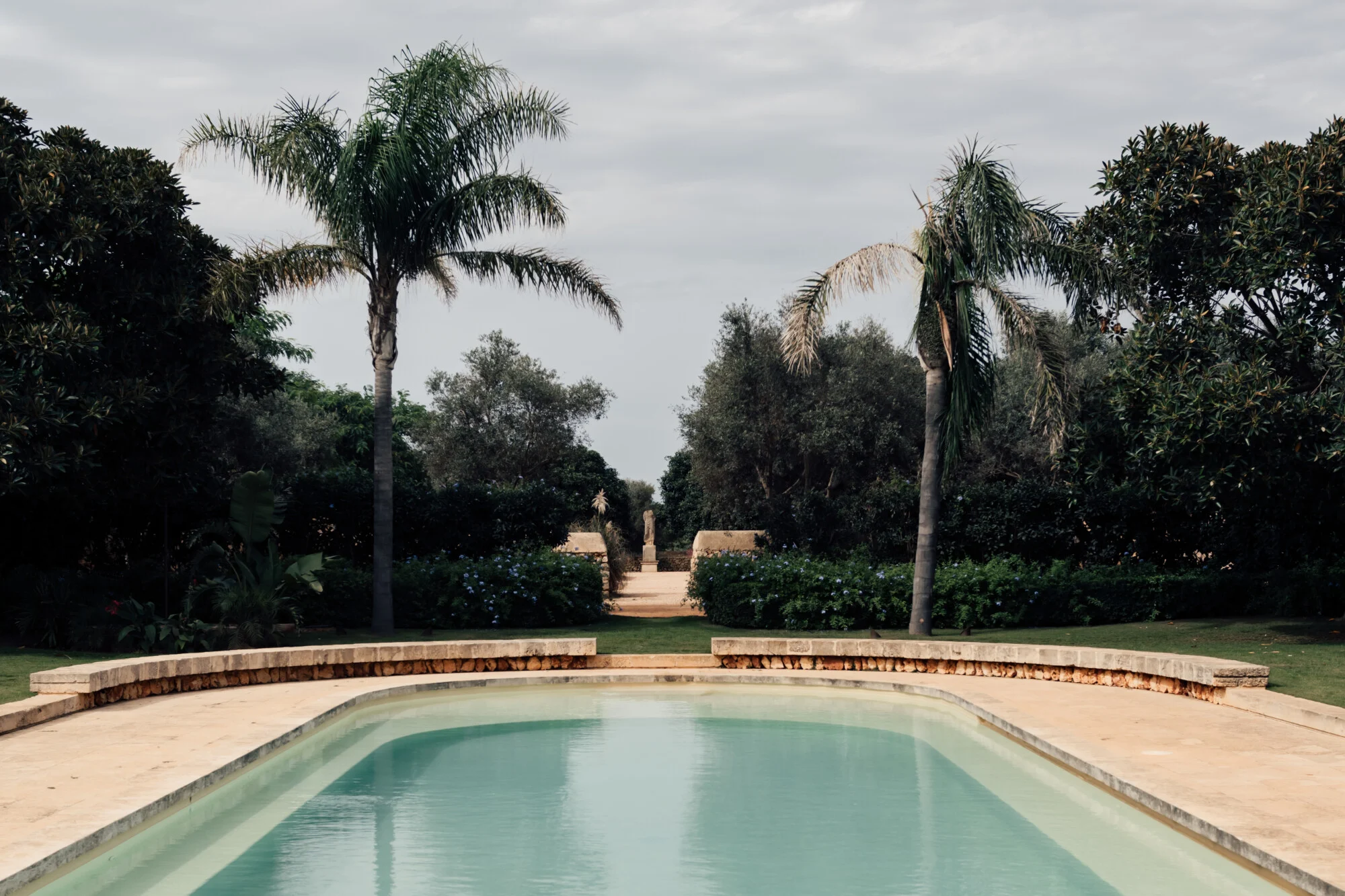
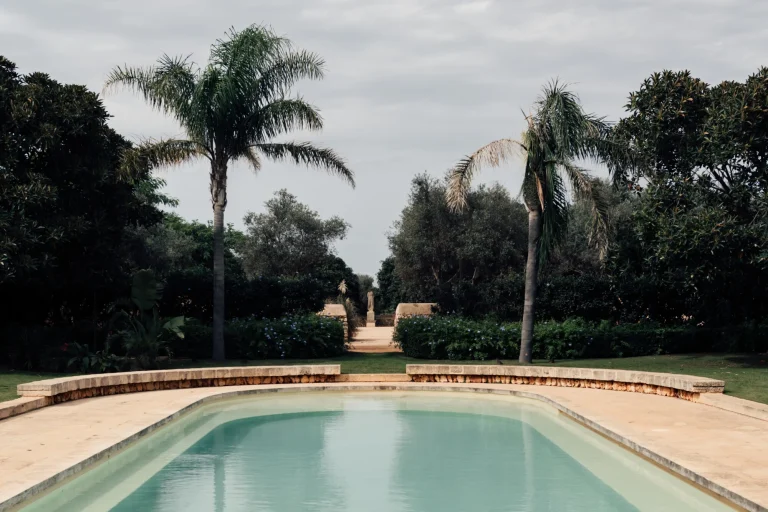
An 18th-century Italianate mansion on 180 hectares of Menorcan countryside, where antique-furnished rooms rest under ancient beams and the estate's original stone pool has been restored rather than replaced. The scale of the land is the luxury — you can walk for an hour and remain on the property. Menorca is a UNESCO biosphere reserve, which has kept development off the interior, and this is what that protection buys.
 Vestige Son VellMenorca, SpainSee the hotel →
Faustino Gran
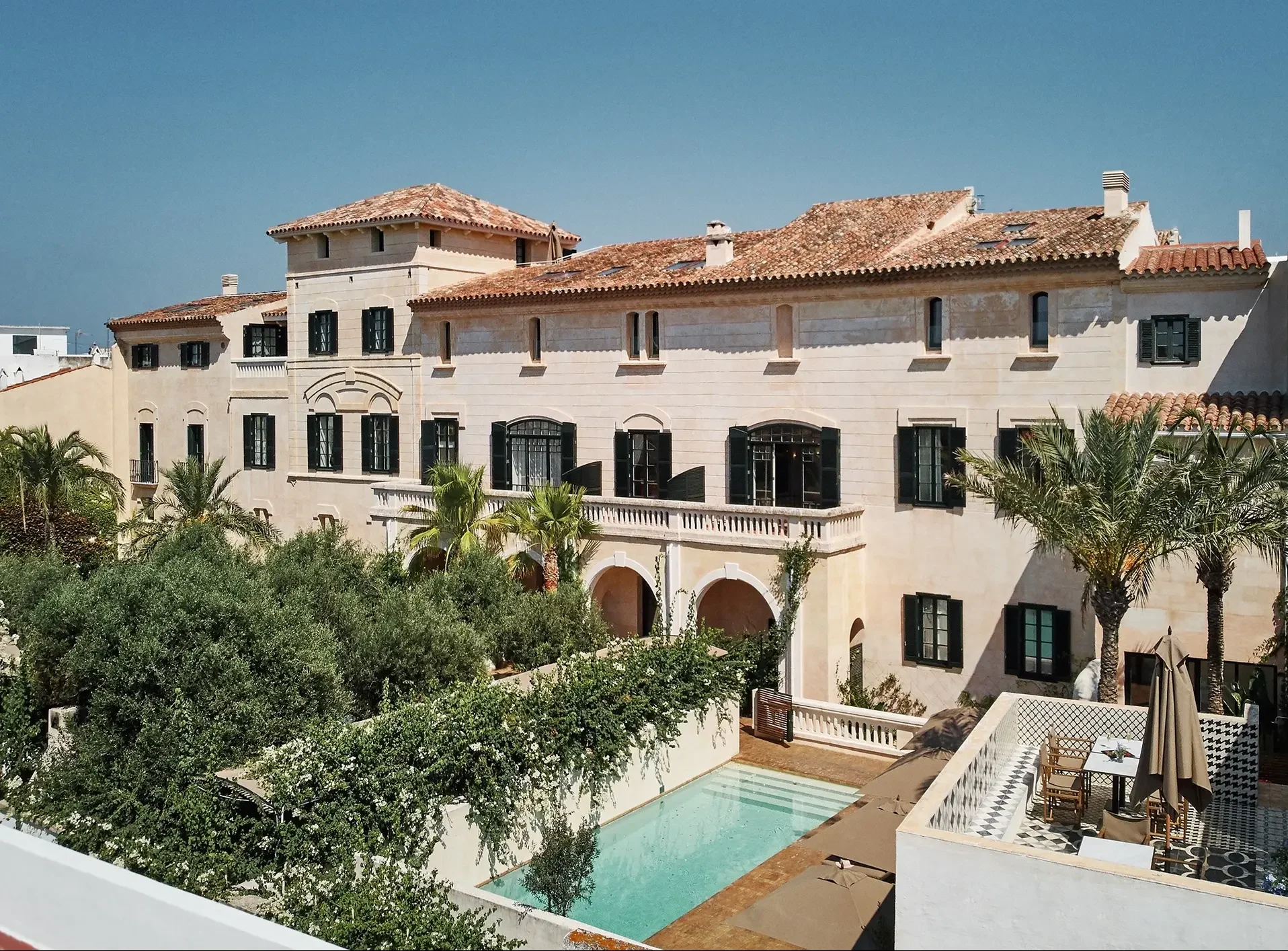
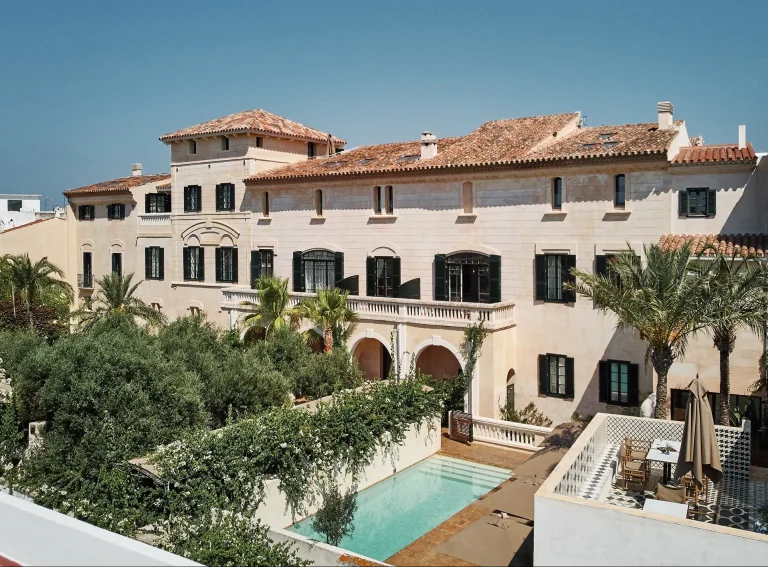
Three historic manor palaces joined in the heart of Ciutadella, pared back behind an ivory stone facade, with the spa placed below ground around a subterranean stone pool. Ciutadella is the older and more beautiful of Menorca's two towns, and staying inside its walls means dinner is a walk rather than a drive.
 Faustino GranMenorca, SpainSee the hotel →
Hevresac Hotel
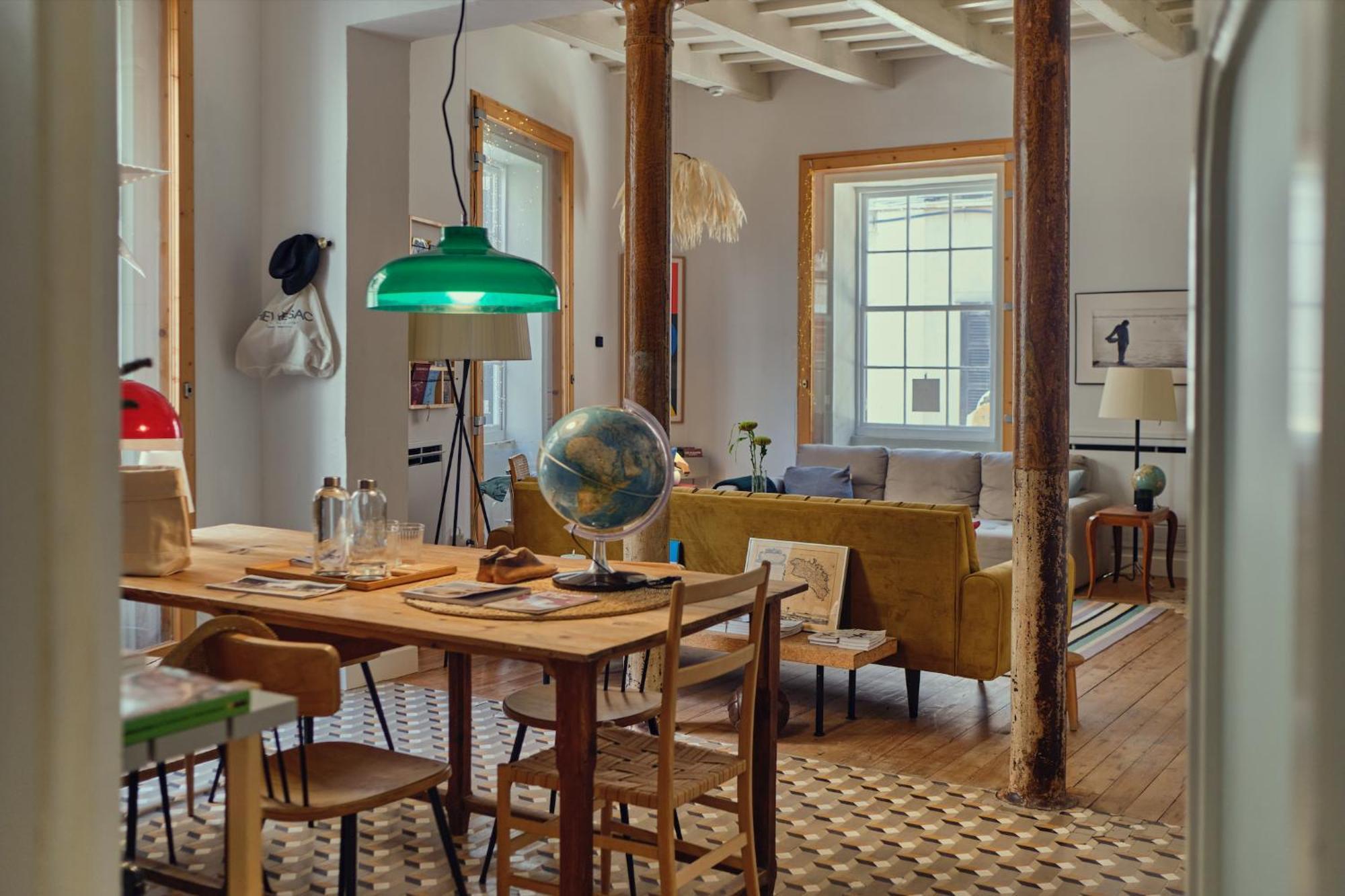
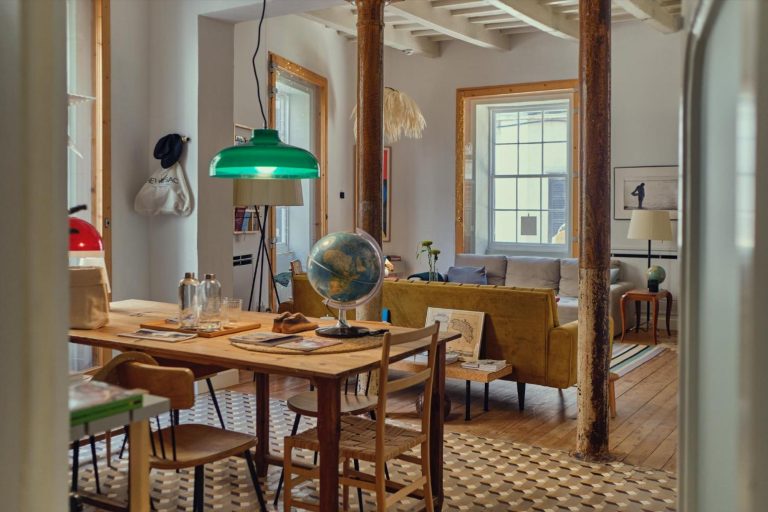
An 18th-century townhouse in Mahón reimagined by the architect Emma Martí: eight rooms, mosaic tiles, original guillotine windows — a British legacy from the island's eighteenth-century occupation — and the particular quiet of Menorca out of season. Eight keys, in the middle of a working port town.
 Hevresac HotelMenorca, SpainSee the hotel →
Aguamadera Ibiza
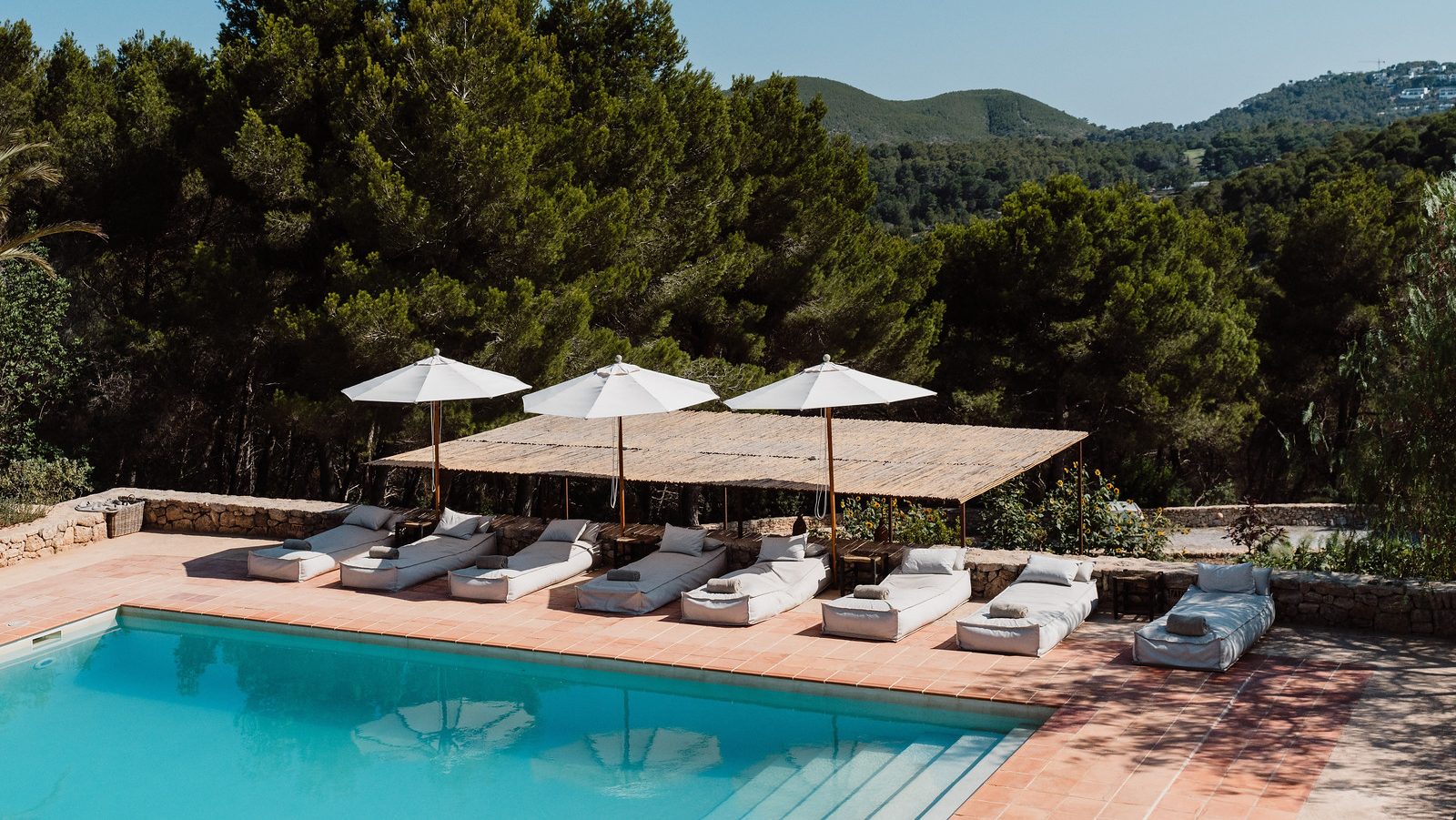
A whitewashed 19th-century farmhouse in Ibiza's northeastern mountains, where eleven clay-walled rooms and a wood-fire kitchen sit among forest and groves. This is the Ibiza that predates the other one, and still exists in the north of the island: pine, red earth, small coves, and dinner cooked over flame. No club shuttle.
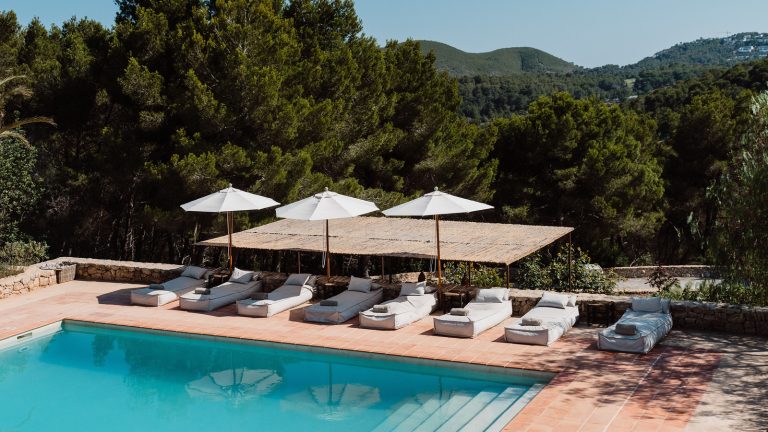 Aguamadera IbizaIbiza, SpainSee the hotel →
La Casa de los Naranjos
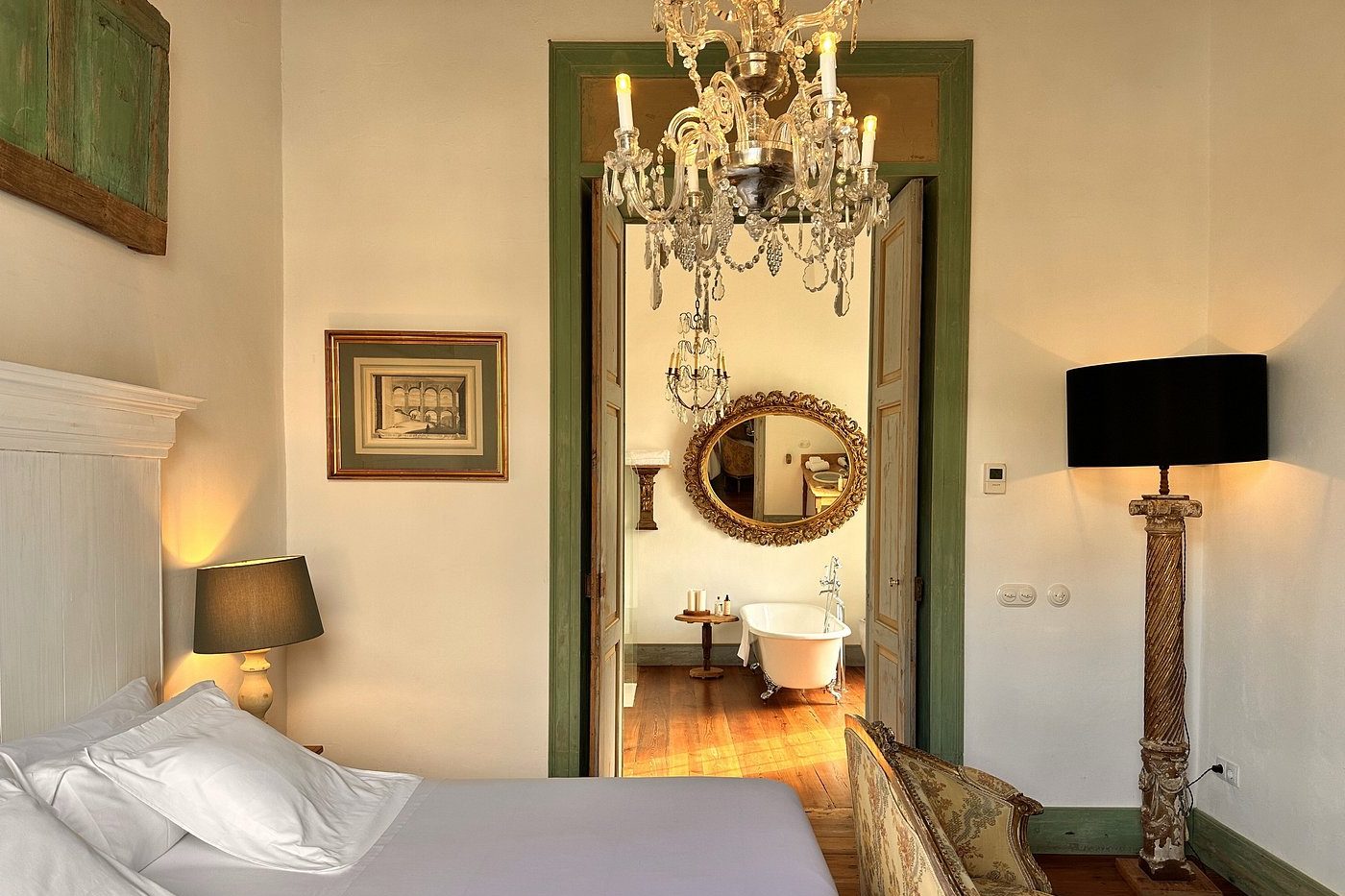
A heritage-listed 19th-century house in Haría, Lanzarote — eight antique-filled rooms, a moody restaurant of European classics, and an orange garden behind a white and green facade. Haría is known as the valley of a thousand palms, in the green north of an otherwise volcanic island, and the contrast with Lanzarote's black lava fields twenty minutes south is the whole appeal.
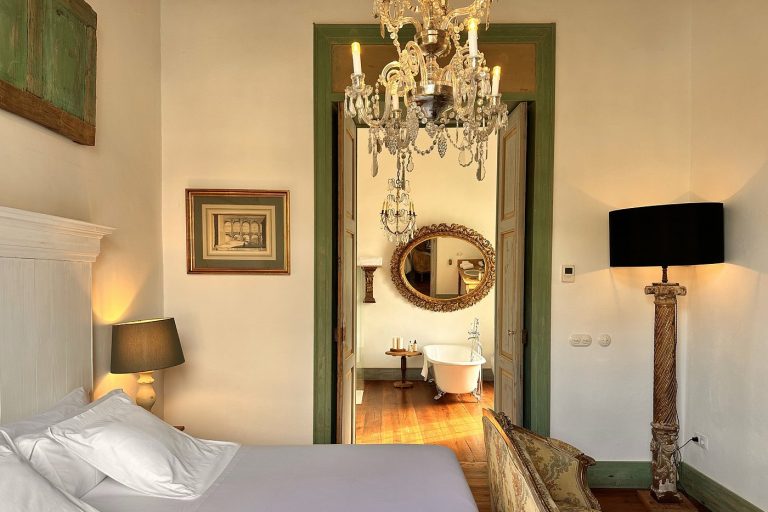 La Casa de los NaranjosLanzarote, SpainSee the hotel →
May, June and September are the months — July and August bring the crowds and the prices that made the islands' reputation in the first place. All of these are inland or in town rather than on the sand, which means a hire car is essential, and also means you will see the parts of these islands that most visitors never reach.